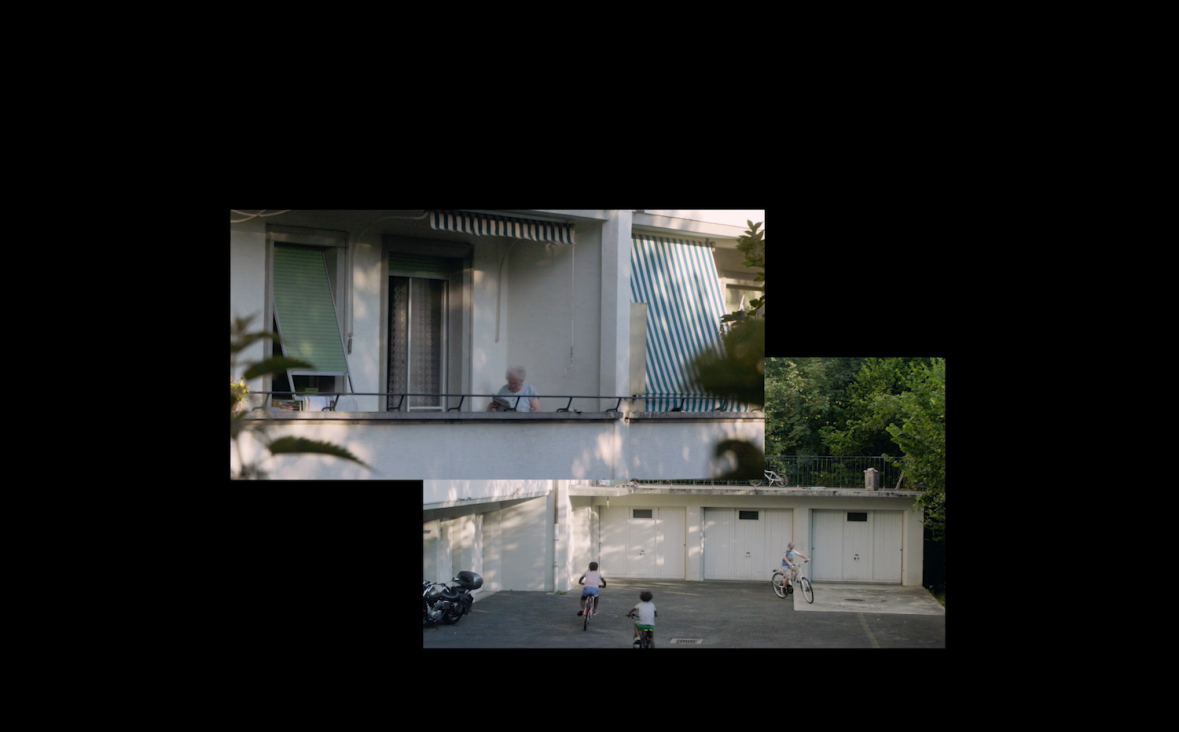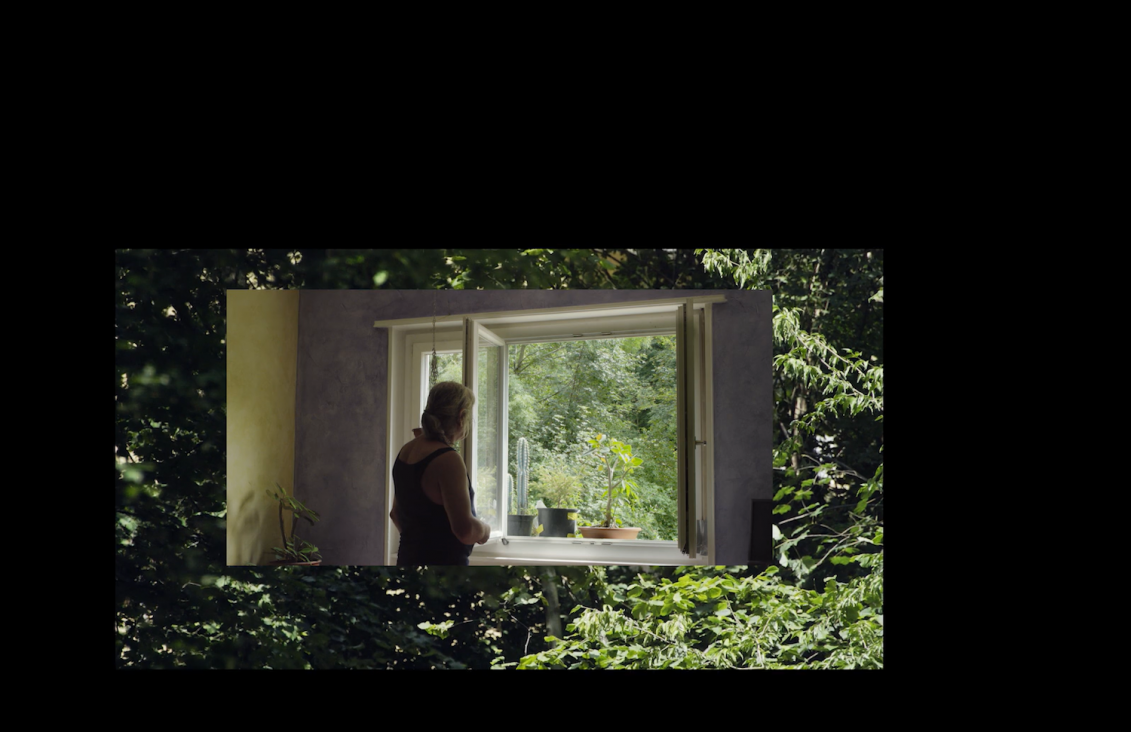

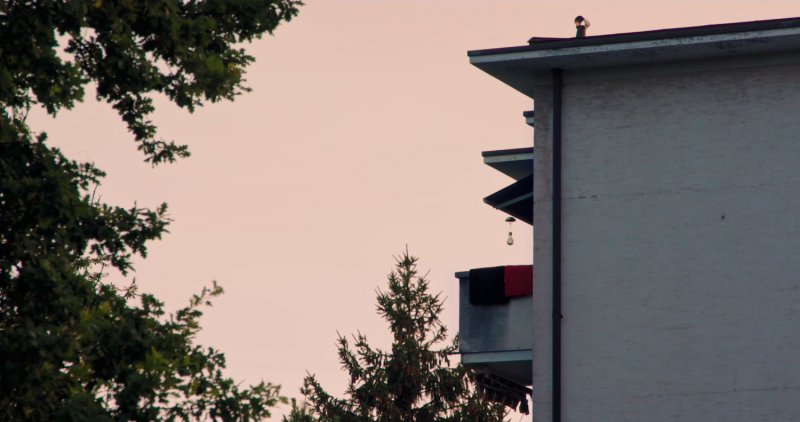
Tizian Büchi, L’îlot, 2022


The En Línea section of Concreta’s website is structured around three spaces: Relatorías, Conservatorios, and Pantallas, the latter dedicated to the presentation of audiovisual works accompanied by critical essays.
In 2026, curator Andrea Franco has conceived for Pantallas a programme of four films that will unfold throughout the year.
The selection of these films was guided very intuitively by the premise that each one would be released with the arrival of a new season. Some are steeped in luminosity, others in a crepuscular atmosphere. In each narrative, something belongs more properly to spring (such as gathering flowering plants), to summer (a time of year conducive to periods of idleness), to autumn (through the idea of a change of cycle, of transformation), and to winter (a time of retreat, deep reflection, and solitude).
At the same time, and in keeping with Concreta’s project, these titles engage with some of the social, political, and cultural questions that have appeared in the journal in recent years: reflections on identity and belonging to a place; exile and migration; the problems of communication through language; tensions between groups of different backgrounds; and the spaces of respite that are created when a community takes shape. Always poised between fiction and documentary, they inhabit the natural hybridity that defines much of contemporary cinema, where the image stands as a faithful reflection of an uncertain and changing time.
The film chosen to be presented in the first weeks of summer is L’îlot (2022), by Swiss filmmaker Tizian Büchi. Between documentary and fiction, the film unfolds as a contemporary fable that addresses the surveillance society through mystery, nostalgia and humour. The following text, written by Andrea Franco, accompanies the second instalment of the programme.
Title: L’îlot
Author: Tizian Büchi
Year: 2022
Lenght: 1:44:46
Credits: Film and stills courtesy of the artist
*The video will be available to watch in Spain only, from 22 June to 23 July.
The mirror
Por Andrea Franco
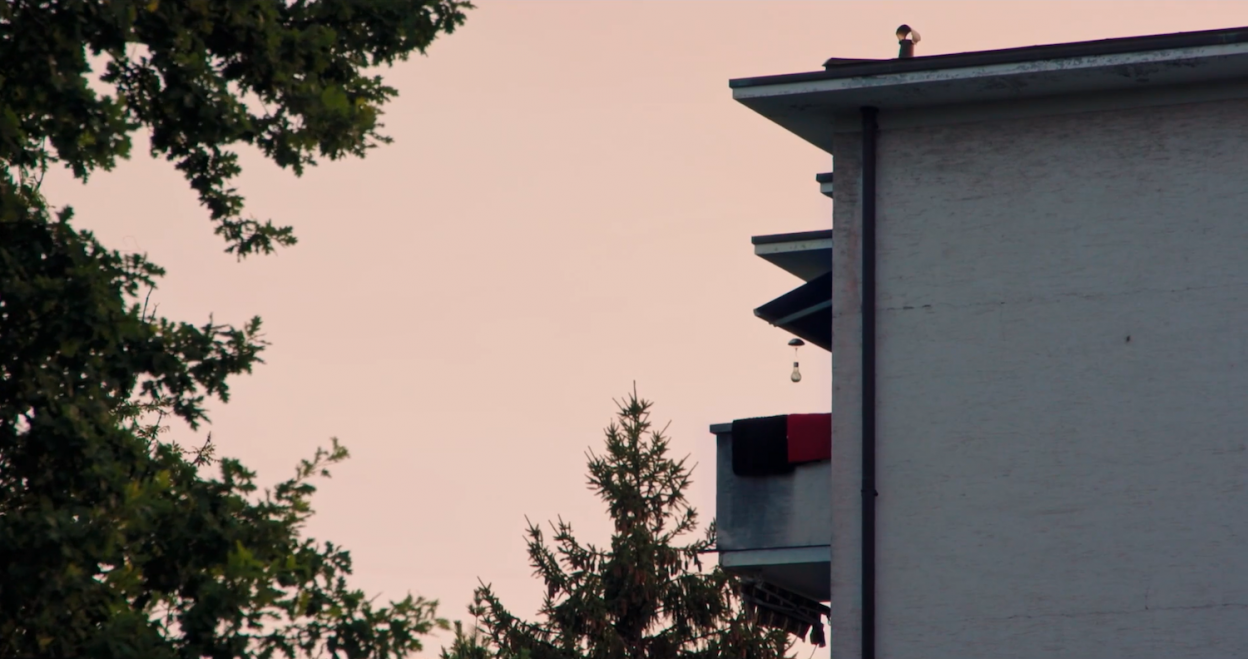
To the east of Lausanne lies a neighbourhood that has remained virtually unchanged since it was built in the 1950s. Faverges emerged between two railway lines to house railway workers and their families. Surrounded by valleys and ravines, tucked into a hollow shaped like a cross, neither the Alps nor nearby Lake Geneva can be seen from humble Faverges, known among locals simply as ‘the hole.’
True to its working‑class origins and its simple, functional architecture, Faverges is now a multicultural enclave where Swiss retirees live alongside immigrant families.
Cutting across it from one end to the other runs a river steeped in legends and dangers, awakening in those who can sense it a powerful energetic vibration stirring from the bowels of the earth.
With these elements, Tizian Büchi’s first feature film imagines how the shape and location of the neighborhood influence the social imagination of its inhabitants, composing a documentary fable in which the real edges toward the fantastic. The film explores the drift of a society increasingly preoccupied with borders and surveillance, where the line separating security from privacy grows ever thinner.
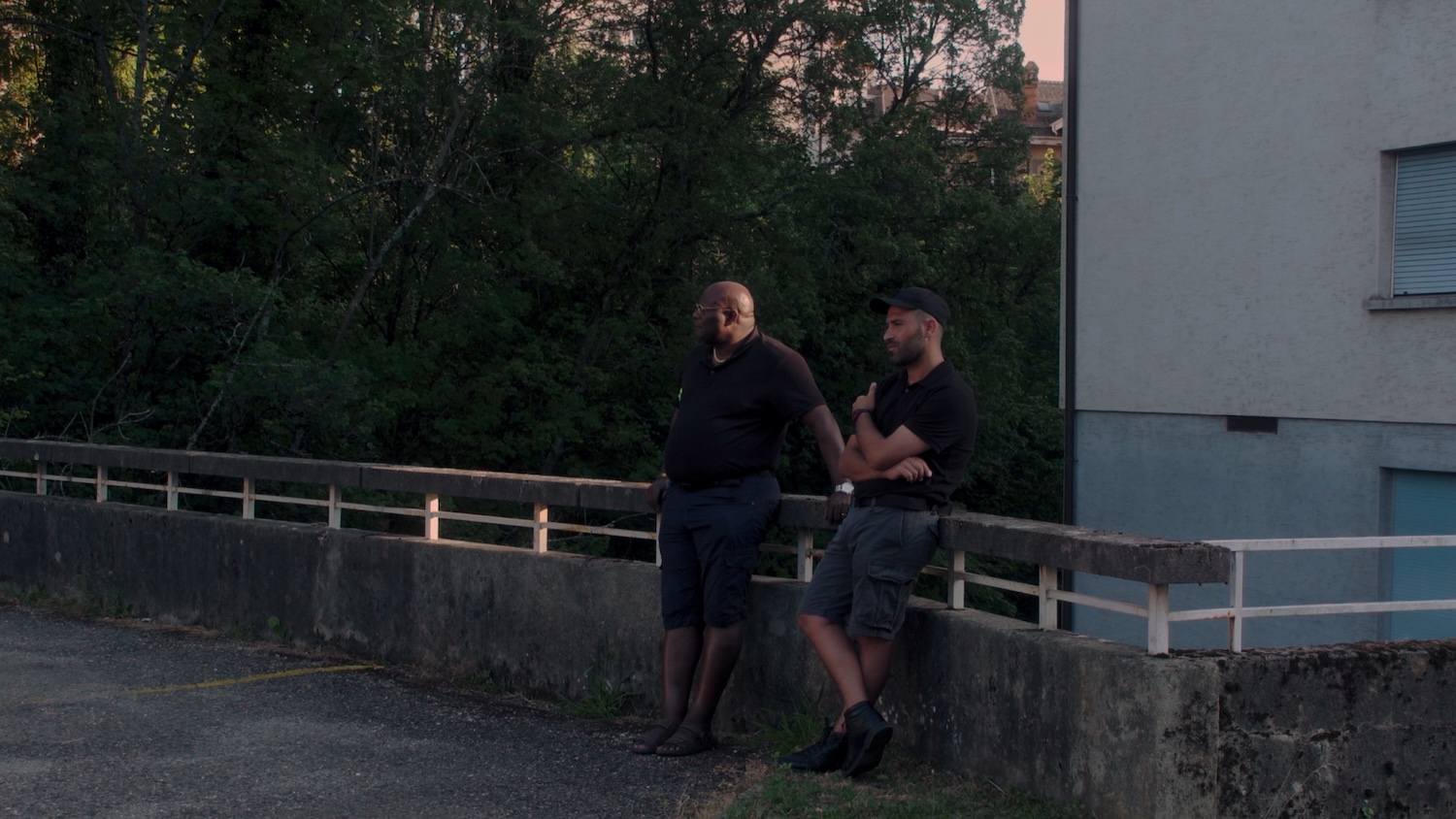
Two guards —one Angolan, a talkative gentle giant; the other Iraqi, younger and more of a dreamer— patrol the neighborhood to keep people away from the river. No one understands what they are doing, not even they themselves, yet day and night they strive to protect the area from a danger they cannot quite define, sealing off the riverbanks and turning away anyone who strolls or rests nearby.
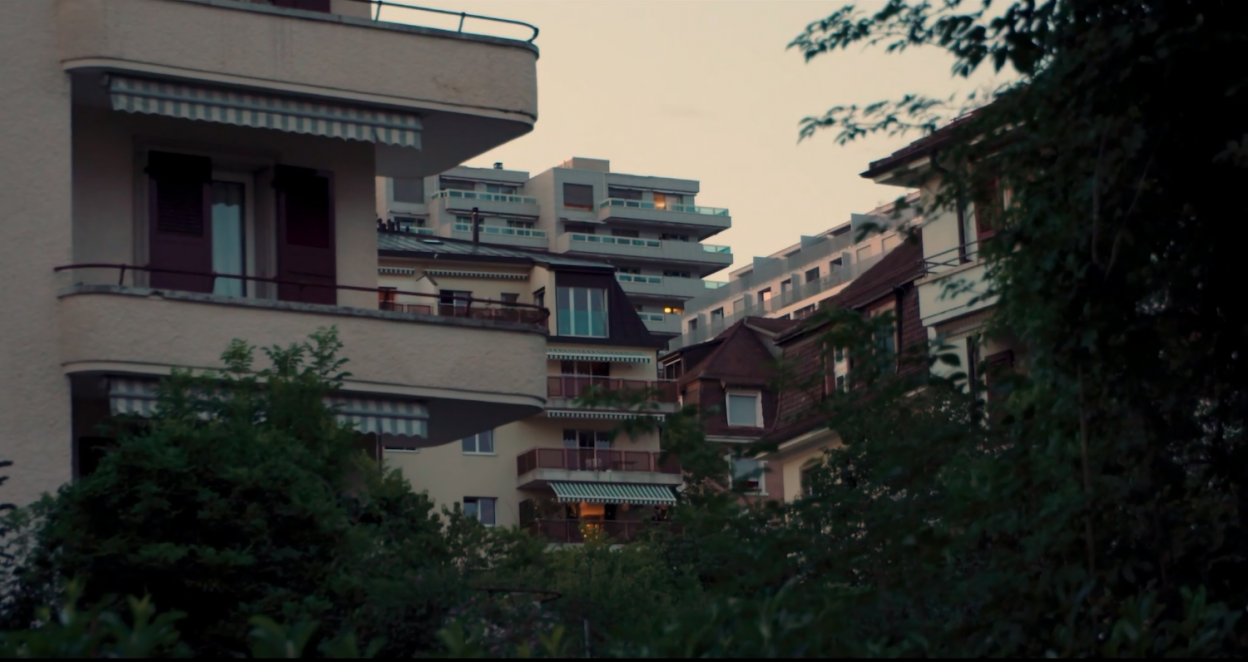
Parallel to the rounds of this odd couple, so different both personally and culturally, the film introduces a community whose origins are as varied as the reasons that brought them there.
Faverges and nearby (and rival) Chandieu form a puzzle full of gaps and escape routes, where the film’s different stories flow like meanders between the buildings, moving from reality to fiction and back again. Stories of migration and exile, of family tensions, of hopes and heartbreaks.
And meanwhile, what about the river?
Like Daniel and Ammar, who comb the terrain in search of clues, the viewer also waits for something to happen in a film built on searches and suspensions during a sweltering summer. Emptiness invites drifting thoughts. The heat dulls the senses. Imagination takes over.
Shouts, strange noises, someone disappearing into the bushes, characters vanishing without warning. The concrete, tangible reality of the neighbourhood and its architecture collides with the magical, supernatural aura of the river, from which each night emanates a mysterious life invisible to ordinary mortals.
What threat does the river represent? The Other, perhaps? The unknown? What are we afraid of? Does its reflection not return our own image?
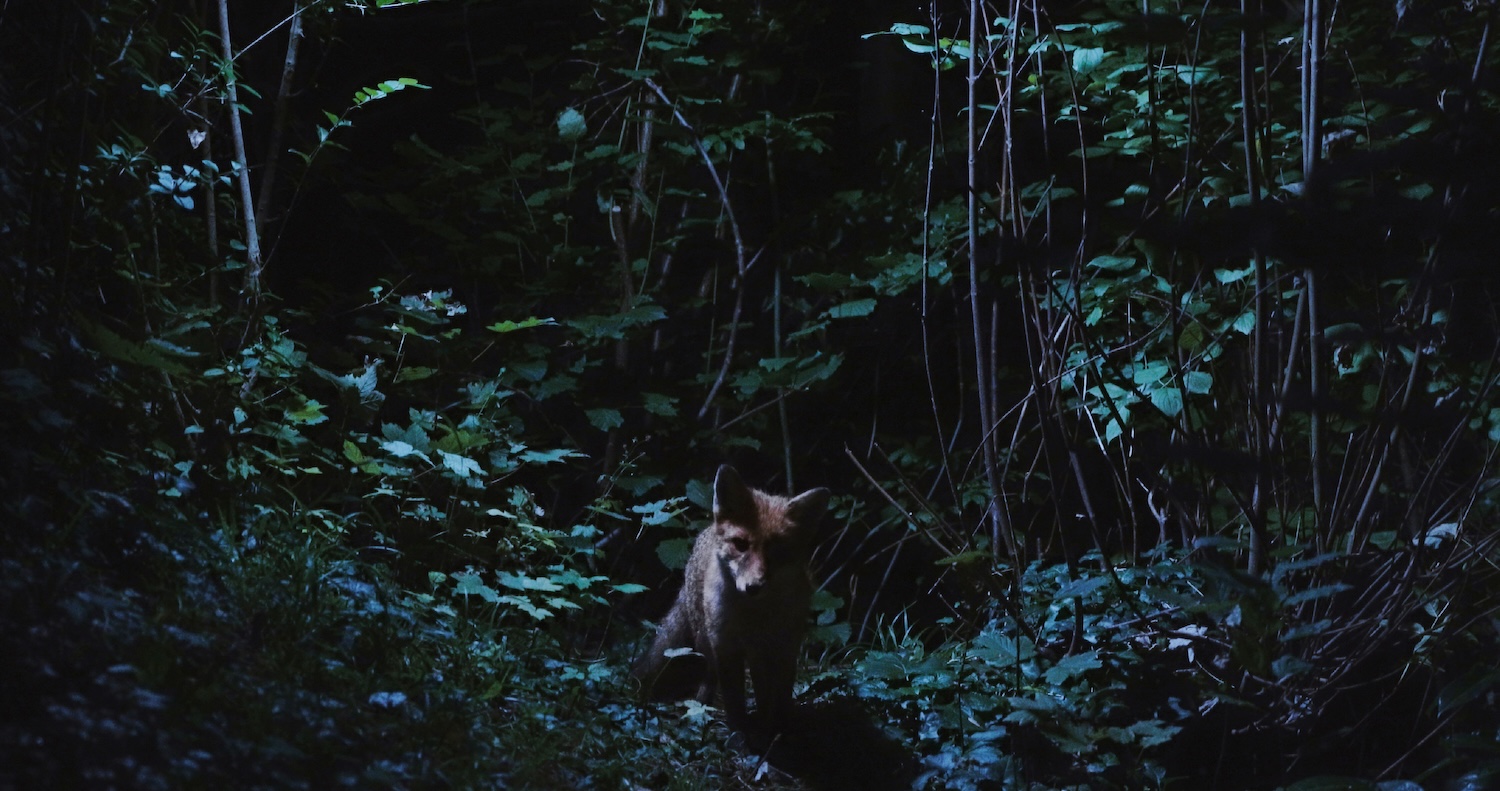
In this small island that is Faverges —a fragment of contemporary Europe— there is a hidden tunnel in the forest undergrowth; crossing it leads to a space far from all gazes, where the dream of a safe, unwatched place comes true.
L’îlot invites us to enter the tunnel, to glide into the folds of the ground —as suggested by the quote that opens the film— and conduct our research from there. In other words, to widen the narrow margins through which we look at the world and approach the diversity of our cities with a renewed perception.